Ultimative Vibrationsfestigkeit und Langlebigkeit: Wie die GPS-Stange aus Kohlefaser komplexe Messumgebungen meistert?
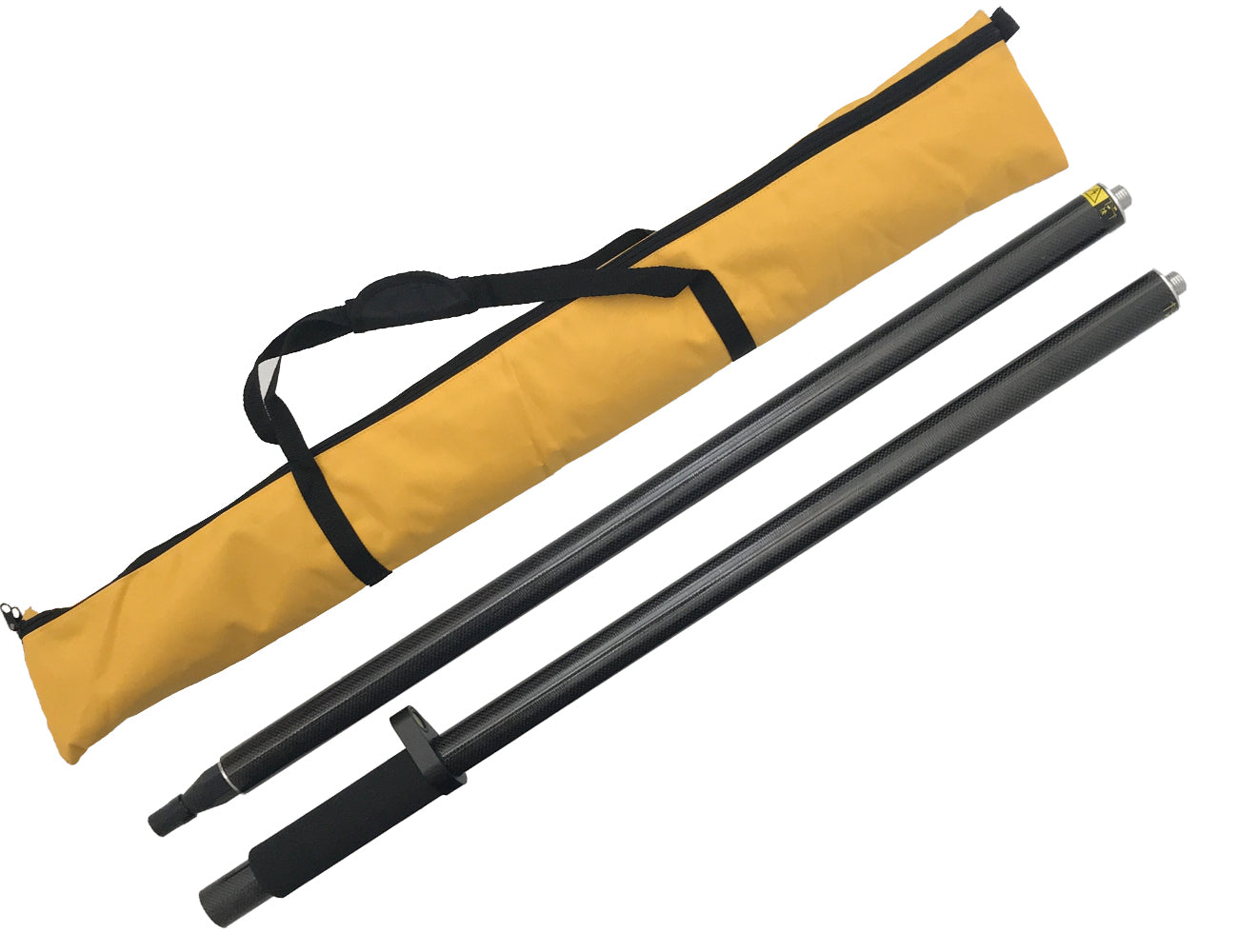
Wie der GPS-Stab aus Kohlefaser die Messstandards in komplexen Umgebungen neu definiert?
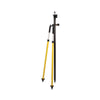
In der Ingenieurvermessung, geologischen Erkundung und Gebäudeüberwachung entscheidet die Messgenauigkeit direkt über Erfolg oder Misserfolg eines Projekts. Herkömmliche Messstangen aus Metall führen in komplexen Umgebungen wie unwegsamem Gelände, starkem Wind und Vibrationen oder drastischen Temperaturschwankungen aufgrund von Gewicht, Materialermüdung oder Verformung häufig zu Datenfehlern. Die neue GPS-Messstange aus Kohlefaser, gefertigt mit modernster Verbundwerkstofftechnologie, bietet Vermessern dank ihrer unübertroffenen Vibrationsfestigkeit und überlegenen Langlebigkeit die optimale Lösung. Diese GPS-Messstange aus Kohlefaser ist nicht nur eine Verbesserung der Messtechnik, sondern eine technologische Revolution zur Bewältigung extremer Herausforderungen.
Kerntechnologie des GPS-Stabs aus Kohlefaser: Warum kann er komplexe Umgebungen bezwingen?
Außergewöhnliche Materialwissenschaft: Die genetischen Vorteile von Kohlenstofffasern
Die Leistungsfähigkeit des GPS-Stabs aus Kohlefaser basiert auf dem Kohlefaser-Verbundwerkstoff selbst. Dieser gilt als „König der neuen Werkstoffe“, da seine spezifische Festigkeit (Festigkeit pro Dichte) und sein spezifischer Elastizitätsmodul (Elastizitätsmodul pro Dichte) die Werte herkömmlicher Metalle deutlich übertreffen. Das bedeutet, dass Kohlefaserstäbe bei gleichen Festigkeitsanforderungen leichter gefertigt werden können und bei gleichem Gewicht eine deutlich höhere Steifigkeit und Stabilität aufweisen als Aluminiumlegierungen oder Stahl. Beispielsweise erreichen einige hochwertige, duroplastische Kohlefaser-Verbundwerkstoffe einen Biegemodul von bis zu 19,9 MSI und eine Biegefestigkeit von bis zu 300 KSI, wodurch der Stab eine hohe Biege- und Verformungsbeständigkeit erhält. Dank dieser „leichten und gleichzeitig robusten“ Eigenschaften ermüden Vermesser auch bei längeren Arbeiten mit den Händen nicht so stark, was die Effizienz im Feld erheblich steigert.
Extrem hohe Vibrationsfestigkeit und Dämpfungsleistung: Vibrationen, die in komplexen Messumgebungen (z. B. in der Nähe von Autobahnen, Baustellen oder in windigen Gebieten) häufig auftreten, beeinträchtigen die Messgenauigkeit erheblich. Metallstäbe übertragen und verstärken diese Vibrationen, was zu Mikrobewegungen der GNSS-Empfängerantenne und damit zu Messfehlern führt. Die Polymermatrix des GPS-Mastes aus Kohlefaser zeichnet sich durch hervorragende Viskoelastizität aus. Ihre einzigartige Mikrostruktur wandelt die kinetische Energie der Vibrationen effektiv in Wärme um und sorgt so für eine überragende Dämpfungsleistung. Im Vergleich zu Metallen absorbieren und dämpfen Kohlefaserverbundwerkstoffe hoch- und niederfrequente Vibrationen deutlich stärker und gewährleisten so höchste Stabilität am Antennenende. Dadurch können hochpräzise Satellitensignale auch unter verschiedenen dynamischen Störungen empfangen und stabilisiert werden.
Unübertroffene Langlebigkeit und Umweltverträglichkeit: Professionelle Vermessungsarbeiten sind oft mit den Herausforderungen von Sonneneinstrahlung, Regen, plötzlichen Temperaturschwankungen und sogar chemischer Korrosion verbunden. Der GPS-Stab aus Kohlefaser zeichnet sich durch außergewöhnliche Umweltverträglichkeit aus. Das Kohlefaser-Verbundmaterial besitzt einen extrem niedrigen Wärmeausdehnungskoeffizienten und behält seine Abmessungen über einen weiten Temperaturbereich nahezu konstant. Dies gewährleistet die Stabilität der Stablänge unter verschiedenen klimatischen Bedingungen und vermeidet Maßabweichungen durch Wärmeausdehnung und -kontraktion. Gleichzeitig ist der Stab von Natur aus korrosionsbeständig und unempfindlich gegenüber Regen, Salznebel und bestimmten Chemikalien. Seine Lebensdauer übertrifft die von leicht korrodierenden Metallstäben bei Weitem. Darüber hinaus verfügt Kohlefaser über eine extrem hohe Dauerfestigkeit und behält selbst nach Millionen von Belastungszyklen einen Großteil ihrer Festigkeit. Das bedeutet, dass der Stab auch bei wiederholtem Aus- und Einfahren im Gelände langfristig zuverlässig funktioniert und somit maximale Durchbiegung ohne Materialermüdung ermöglicht.

Breites Anwendungsspektrum von GPS-Stange aus Kohlefaser
Dank dieser zentralen Vorteile hat sich derGPS-Stab aus Kohlefaser in verschiedenen anspruchsvollen Anwendungsbereichen zum bevorzugten Werkzeug entwickelt:
Präzisionsvermessung im Ingenieurwesen: Sie wird zur Überwachung von Strukturverformungen an großen Brücken, Hochhäusern und Staudämmen eingesetzt. Ihre hohe Stabilität ist entscheidend für die Gewinnung kontinuierlicher und zuverlässiger Daten.
Geologische Gefahrenüberwachung: Für die Langzeitüberwachung instabiler Gebiete wie Hänge und Erdrutsche erleichtert die leichte und robuste Bauweise des Mastes die Installation und die Langzeitüberwachung.
Landressourcenerkundung und Kartierung: In unwegsamem Gelände wie Bergregionen und Wäldern verringert die leichte Stange die Belastung der Vermesser erheblich und verbessert die Mobilität.
Baustellenabnahme und -planung: Gewährleistet die schnelle und präzise Positionierung von Absteckpunkten in lärm- und vibrationsanfälligen Baustellenumgebungen.
Kartierung für Landwirtschaft und autonomes Fahren: Bereitstellung zuverlässiger mobiler Basisstationsunterstützung für hochpräzise Positionierungssysteme (RTK) in der Präzisionslandwirtschaft und bei autonomen Fahrzeugen.

Wie wählt man einen guten GPS-Stab aus Kohlefaser aus?
Kernmaterialien und Herstellungsverfahren: Achten Sie auf die Qualität der Kohlenstofffaser (z. B. T700, T800) und das Harzsystem. Ein hochwertiger Mast besteht aus durchgehenden, unidirektional angeordneten Fasern und durchläuft einen präzisen Streckprozess, um die mechanischen Eigenschaften jeder einzelnen Faser zu optimieren. Vermeiden Sie Produkte mit minderwertigem Gewebe oder schlechter Verarbeitung.
Konstruktion und Schnittstellen: Prüfen Sie, ob die Verbindungsmethode des Mastes (z. B. Spiral- oder Schnellverschluss) sicher ist und sich nicht lösen kann. Sind die rutschfesten Füße am unteren Ende des Mastes und das Kugelgelenk am oberen Ende (z. B. 5/8"-11-Gewinde) fest und zuverlässig? Einteilig geformte Mastsegmente bieten im Allgemeinen eine höhere Gesamtsteifigkeit und bessere Wasserbeständigkeit als segmentierte Segmente.
Mechanische Parameter: Fordern Sie wichtige Daten vomHersteller des GPS-Stabs aus Kohlefaser an, wie z. B. Biegefestigkeit, Biegemodul, Gewicht und maximale Belastung. Vergleichen Sie diese Parameter und wählen Sie ein Produkt, das das beste Verhältnis zwischen geringem Gewicht und hoher Festigkeit bietet.
Marke und Reputation: Wählen Sie einen Hersteller von GPS-Stangen aus Kohlefaser mit gutem Ruf und langjähriger Erfahrung in der Vermessungsbranche, wie beispielsweise Mountlaser. Diese bieten in der Regel professionelleren technischen Support, Qualitätssicherung und zuverlässigen Kundendienst.
Praxistest: Führen Sie nach Möglichkeit einfache Biege- und Torsionstests durch, um die Steifigkeit zu prüfen. Testen Sie außerdem die Vibrationsfestigkeit und die Griffigkeit unter realen Einsatzbedingungen.

Zusammenfassung und Handlungsaufforderung: Wählen Sie einen GPS-Stab aus Kohlefaser; wählen Sie Zuverlässigkeit und Genauigkeit.
Zusammenfassend lässt sich sagen, dass der GPS-Messstab aus Kohlefaser weit mehr ist als nur ein einfacher Stock; er ist das Ergebnis der perfekten Verbindung von Materialwissenschaft, Ingenieurskunst und Vermessungspraxis. Dank seines außergewöhnlich leichten Designs, seiner hervorragenden Vibrationsdämpfung, seiner bemerkenswerten Beständigkeit gegenüber Umwelteinflüssen und seiner Ermüdungsfestigkeit löst er die Herausforderungen hinsichtlich Datengenauigkeit und Betriebseffizienz in komplexen und anspruchsvollen Vermessungsumgebungen. Ob auf einer vibrierenden Baustelle, an einem steilen Hang oder bei unvorhersehbarem Wetter – ein hochwertiger GPS-Messstab aus Kohlefaser ist ein unverzichtbarer Anker für Ihr Vermessungsteam.
Suchen Sie nach der optimalen Vermessungsstangenlösung, um Genauigkeit, Zuverlässigkeit und Effizienz Ihrer Projekte zu verbessern? Dann zögern Sie nicht! Kontaktieren Sie Mountlaser, einen professionellen Hersteller von GPS-Vermessungsstangen aus Kohlefaser. Als Spezialist für Vermessungsprodukte und -instrumente bietet Ihnen Mountlaser leistungsstarke und hochwertige GPS-Vermessungsstangen aus Kohlefaser, die mit verschiedenen GNSS-Empfängern kompatibel sind. Besuchen Sie unsere Website oder rufen Sie uns direkt an. Unser Expertenteam berät Sie gerne und empfiehlt Ihnen die passende RTK-Vermessungsstange oder hochpräzise Zentrierstange aus Kohlefaser, die optimal auf Ihre Bedürfnisse zugeschnitten ist und Sie bei jeder komplexen Vermessungsaufgabe unterstützt.