Pourquoi le prisme de surveillance en L est-il devenu un nouvel outil incontournable dans la « boîte à outils polyvalente » des ingénieurs civils ?
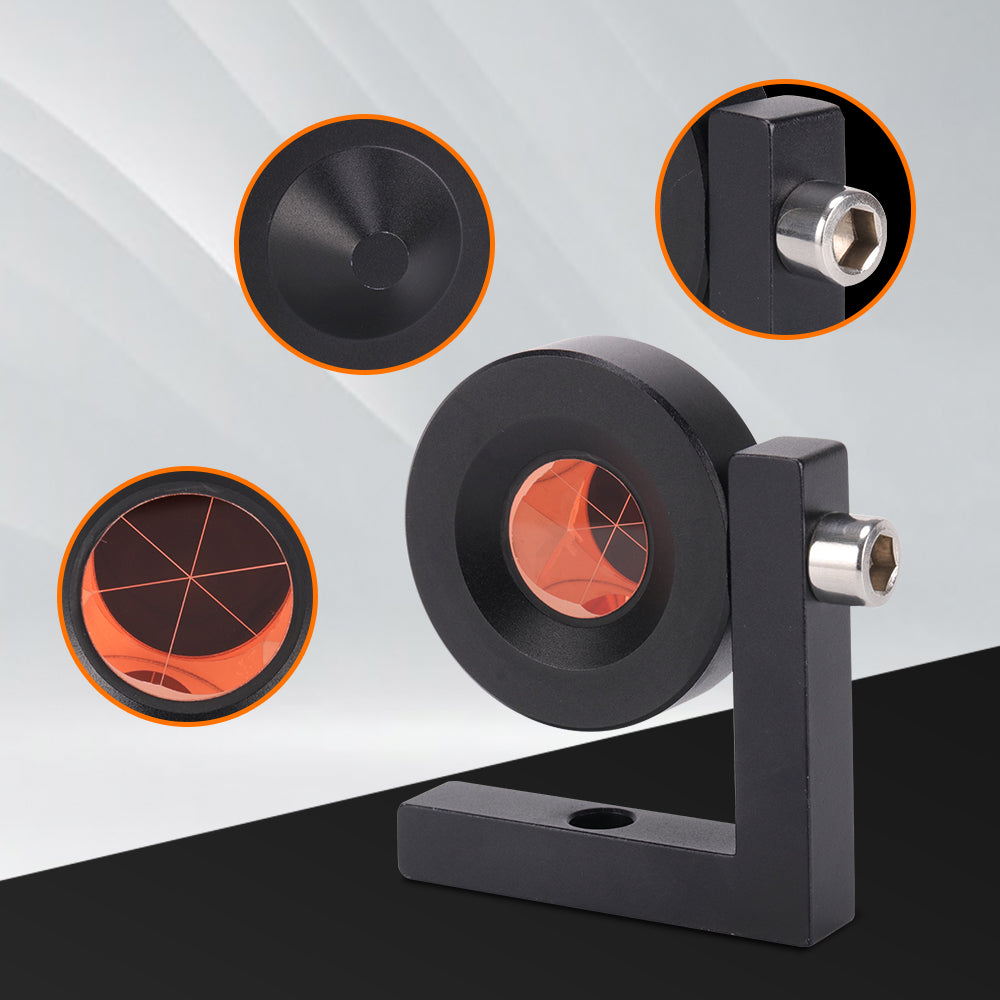
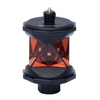
Le prisme de surveillance en L , instrument optique de haute précision, s'est imposé comme un outil indispensable en génie civil. Cet appareil, également appelé prisme à angle droit, est conçu pour permettre une surveillance précise des déplacements et des déformations dans diverses applications structurelles. Son principe repose sur la déviation des faisceaux lumineux à un angle parfait de 90 degrés, facilitant ainsi des mesures précises dans les systèmes de surveillance. Le prisme de surveillance en L est particulièrement apprécié pour sa robustesse et sa fiabilité, même dans des conditions environnementales difficiles, ce qui en fait un élément fondamental des projets de surveillance de l'intégrité des structures à travers le monde.
Pourquoi le prisme de surveillance en L gagne-t-il en popularité ?
Précision et fiabilité inégalées en matière de mesure
La principale raison de l'adoption généralisée du prisme de surveillance en L réside dans son exceptionnelle précision de mesure. En génie civil, où même des déplacements de l'ordre du millimètre peuvent révéler des problèmes structurels importants, la capacité à obtenir des données fiables est primordiale. La conception du prisme en L garantit une redirection de la lumière à un angle constant et précis de 90 degrés, une caractéristique essentielle pour les systèmes de surveillance des déformations utilisés dans les barrages, les tunnels et les immeubles de grande hauteur. Cette capacité de déviation précise de la lumière, principe fondamental de l'optique des prismes de toit permettant de « modifier la direction de propagation de la lumière de 90° », est mise à profit pour fournir aux ingénieurs des données fiables leur permettant de prendre des décisions éclairées concernant l'intégrité et la sécurité des structures.
Durabilité exceptionnelle et stabilité à long terme
Les projets de génie civil sont souvent exposés à des conditions environnementales difficiles, allant des températures extrêmes à l'humidité et aux agents corrosifs. Le prisme de surveillance en L est généralement revêtu de cuivre, ce qui lui confère une protection supérieure contre la corrosion et l'usure. Ce revêtement protecteur prolonge considérablement la durée de vie du prisme, garantissant ainsi le maintien de ses propriétés optiques et de sa stabilité mécanique. De plus, la construction robuste du prisme en L à angle droit lui permet de résister aux vibrations, aux chocs mineurs et aux contraintes environnementales fréquemment rencontrés sur les chantiers et lors d'applications de surveillance à long terme. Cette durabilité se traduit par des coûts de remplacement réduits et des performances constantes tout au long du cycle de vie du projet.
Polyvalence et facilité d'intégration remarquables
Un autre atout majeur du prisme de surveillance en L réside dans sa remarquable polyvalence. Il s'intègre parfaitement à une vaste gamme de systèmes de surveillance et de mesure, notamment les stations totales et les systèmes automatisés de surveillance des déformations. Cette compatibilité en fait un outil véritablement universel, applicable à de nombreux scénarios de génie civil : de la surveillance des déformations de ponts et des convergences de tunnels à l'observation des tassements de gratte-ciel. Le prisme à 90° peut être installé dans diverses orientations et à différents endroits, offrant ainsi aux ingénieurs une grande flexibilité de déploiement pour répondre aux exigences spécifiques de chaque projet. Sa conception permet souvent une installation facile et une maintenance minimale, ce qui renforce son attrait en tant que composant « prêt à l'emploi » dans les systèmes de surveillance de l'intégrité des structures.
Principaux domaines d'application du prisme de surveillance en L
Ponts et structures surélevées
Dans le domaine de la surveillance des ponts, le prisme de surveillance en L joue un rôle essentiel dans la détection en temps réel des déplacements, rotations et déformations, même les plus subtiles. Les ingénieurs installent ces prismes à des points critiques des tabliers, des piles et des câbles afin de surveiller en continu le comportement structurel sous charge, en fonction des variations de température et sur le long terme. Ces données sont cruciales pour évaluer l'état des ponts, planifier leur maintenance et garantir la sécurité publique. Le revêtement en cuivre anticorrosion est particulièrement avantageux, car il protège les prismes des intempéries et du sel de déneigement.
Tunnels et excavations souterraines
La construction et l'entretien des tunnels exigent une surveillance précise pour détecter les rétrécissements et les tassements. La barre en L à prisme à angle droit est souvent utilisée le long des revêtements de tunnel pour fournir des données de déplacement tridimensionnelles précises. Sa conception robuste garantit un fonctionnement fiable dans l'environnement humide et parfois chimiquement agressif des tunnels. Les données recueillies aident les ingénieurs à vérifier les hypothèses de conception, à contrôler la stabilité lors de travaux de construction adjacents et à assurer la sécurité à long terme du tunnel.
Routes, autoroutes et mouvements de terrain
Pour les routes et autoroutes construites sur des pentes instables ou dans des zones sujettes aux mouvements de terrain, le prisme de surveillance L-Bar constitue un système d'alerte précoce. Installé sur les talus, les remblais ou à proximité des chaussées, il permet de surveiller les mouvements de terrain et la stabilité des pentes. Ceci permet de prendre des mesures préventives avant qu'un mouvement mineur ne dégénère en glissement de terrain ou en effondrement majeur de la chaussée, protégeant ainsi les infrastructures et les vies humaines.

Éléments clés à prendre en compte lors du choix d'un prisme de surveillance en L
Qualité des matériaux et revêtements protecteurs
La qualité du verre optique et l'intégrité des revêtements protecteurs sont primordiales. Comme indiqué précédemment, le revêtement en cuivre d'un prisme de surveillance en L offre une excellente résistance à la corrosion. Les acheteurs potentiels doivent se renseigner sur la qualité des matériaux utilisés et le procédé de revêtement afin de s'assurer que le prisme puisse résister à leurs conditions environnementales spécifiques, qu'il s'agisse de salinité côtière, de pollution industrielle ou de variations de température extrêmes.
Performances et précision optiques
Le principal atout d'un prisme à 90° réside dans ses performances optiques. Des spécifications telles que la précision de surface, l'efficacité de réflexion et la précision de l'angle de 90° sont essentielles. La moindre imperfection peut engendrer des erreurs de mesure. Pour garantir la précision de vos données de surveillance, privilégiez les prismes assurant une grande stabilité dimensionnelle et une déviation minimale par rapport à l'angle droit spécifié.

Conception structurelle et compatibilité de montage
La conception physique de la barre en L à angle droit doit faciliter une installation simple et sécurisée. Tenez compte de la taille et du poids du prisme, ainsi que de la disponibilité de supports ou d'interfaces de montage compatibles avec vos systèmes existants. Un prisme bien conçu présentera des caractéristiques permettant un positionnement aisé et une fixation sûre sur diverses surfaces, qu'il s'agisse de béton, d'acier ou d'autres matériaux.
Conclusion
Le prisme de surveillance en L s'est imposé comme un outil précieux pour les ingénieurs civils grâce à sa combinaison performante de précision, de durabilité et de polyvalence remarquable. Sa capacité à fournir des données fiables même dans des environnements difficiles, associée à sa large applicabilité aux ponts, tunnels et autres infrastructures critiques, en fait un composant indispensable pour la surveillance moderne de l'intégrité des structures. Lors du choix d'un prisme pour vos projets, il est crucial de privilégier la qualité des matériaux, la précision optique et une conception soignée pour garantir le succès de la surveillance à long terme. Si vous recherchez un prisme en L à 90° ou à angle droit de haute qualité qui réunit toutes ces qualités, nous vous recommandons vivement de contacter l'équipe de production expérimentée de Mountlaser afin de discuter de vos besoins spécifiques et de trouver la solution idéale pour vos défis d'ingénierie.