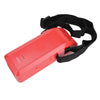
Total Station Battery Lifespan: 7 Proven Tips to Extend Your Survey Equipment Power Source
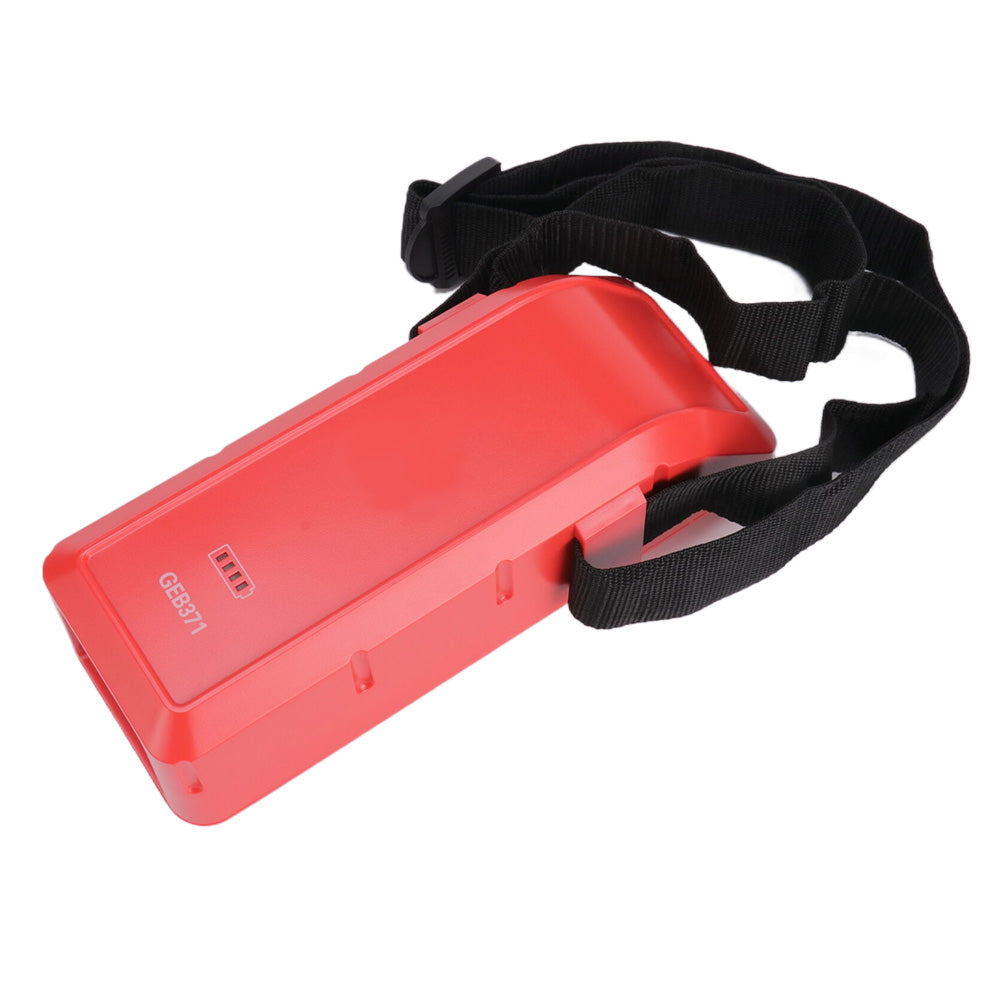
Why Total Station Battery Lifespan Matters on Every Job Site?
A total station is only as reliable as the power source behind it. When your Total Station Battery fails mid-survey, the cost is not just a dead device—it is lost field time, repeated setups, delayed deliverables, and frustrated clients. For surveyors and construction professionals, understanding how to extend Total Station Battery lifespan is a practical skill that directly protects project schedules and equipment budgets.
Every Total Station Battery has a finite number of charge cycles. How you charge it, store it, and use it determines whether that battery serves you for two years or five. In this article, we share seven proven tips to extend the lifespan of your Total Station Battery, along with purchase considerations and answers to common questions.
Understanding Total Station Battery Basics
Common Total Station Battery Types
Most modern Total Station Battery packs use lithium-ion (Li-ion) chemistry, though some older instruments still rely on nickel-metal hydride (NiMH) or nickel-cadmium (NiCd) cells. Li-ion Total Station Battery models offer higher energy density, no memory effect, and lighter weight—but they are also sensitive to heat, deep discharge, and improper storage.
Understanding which chemistry your Total Station Battery uses is the first step toward proper care.
What Shortens Total Station Battery Lifespan?
The most common causes of premature Total Station Battery failure include:
Frequent full discharges to 0%
Charging in extreme heat or direct sunlight
Storing the battery at 100% or 0% for long periods
Using incompatible or low-quality chargers
Leaving the battery in a hot vehicle or job site trailer
Each of these habits accelerates capacity loss and shortens the usable life of your Total Station Battery.

7 Proven Tips to Extend Your Total Station Battery Lifespan
1. Avoid Full Discharges Whenever Possible
Lithium-ion Total Station Battery packs last longest when kept between 20% and 80% charge. Deep discharges stress the cells and reduce cycle life. For daily fieldwork, recharge your Total Station Battery before it drops below 20%, and avoid running it to zero unless necessary for calibration.
2. Charge at Moderate Temperatures
Heat is the number one enemy of Total Station Battery lifespan. Charging in direct sunlight, inside a hot vehicle, or immediately after heavy use can raise internal cell temperatures and accelerate degradation. Allow your Total Station Battery to cool to room temperature before charging, and charge in a shaded, ventilated area.
3. Use the Correct Charger
Always use the charger recommended by your instrument manufacturer or a trusted supplier like Mountlaser. Cheap, incompatible chargers may overvoltage or undercharge your Total Station Battery, leading to permanent damage. A proper charger with smart cutoff protects both performance and safety.
4. Store at the Right Charge Level
If you will not use your Total Station Battery for weeks or months, do not store it fully charged or fully empty. The ideal storage level is around 50–60%. This reduces stress on the cells and helps your Total Station Battery retain capacity when it is time to return to work.
5. Keep Batteries Cool and Dry
Store your Total Station Battery in a cool, dry place away from direct sunlight. High humidity and extreme cold both affect performance. For field crews, a dedicated battery case or insulated bag helps protect your Total Station Battery during transport and between jobs.
6. Rotate Between Multiple Batteries
If you own more than one Total Station Battery, rotate their use instead of relying on a single pack. This spreads charge cycles across multiple batteries and extends the overall service life of your Total Station Battery inventory. It also ensures you always have a backup ready on long survey days.
7. Perform Regular Battery Health Checks
Track the runtime and charging behavior of your Total Station Battery over time. If you notice a significant drop in capacity, longer charging times, or unusual heat during use, it may be time to replace that Total Station Battery. Early detection prevents unexpected failures in the field.

Core Advantages of a Quality Total Station Battery
What a Good Total Station Battery Delivers
Consistent runtime – Reliable power for full survey days
Stable voltage output – Protects sensitive instrument electronics
Long cycle life – More charge cycles before replacement
Temperature tolerance – Performs across varied job site conditions
Safety protection – Built-in safeguards against overcharge and short circuit
Investing in a quality Total Station Battery reduces downtime and protects your total station investment.
Purchase Considerations Before Buying a Total Station Battery
What to Check Before Ordering?
Before purchasing a Total Station Battery, verify:
Voltage and capacity – Must match your total station model
Battery chemistry – Li-ion, NiMH, or NiCd as required
Connector type – Physical compatibility with your instrument
Charger compatibility – Confirm the charger works with the new battery
Brand and certification – Choose reputable suppliers with safety certification
Warranty and support – Reliable after-sales service matters
Contact Mountlaser for Total Station Battery Solutions
Mountlaser offers a range of Total Station Battery models compatible with major instrument brands. Whether you need a replacement Total Station Battery or a spare for extended field work, Mountlaser provides multiple options to match your equipment.
We encourage you to reach out today—contact the Mountlaser team to confirm compatibility, request pricing, and find the right Total Station Battery for your survey equipment.

Frequently Asked Questions About Total Station Battery
How long does a Total Station Battery typically last?
Most Total Station Battery packs last 2–5 years depending on usage and care. With proper charging and storage habits, you can extend your Total Station Battery lifespan toward the higher end of that range.
Can I use a Total Station Battery from another brand?
Only if the voltage, capacity, and connector match your instrument. Using an incompatible Total Station Battery can damage your total station. Always confirm compatibility before purchase.
Should I fully discharge my Total Station Battery before recharging?
No. Unlike NiCd batteries, modern Li-ion Total Station Battery packs do not require full discharge. Partial charging is better for long-term health.
How should I store a Total Station Battery for winter?
Store your Total Station Battery at around 50% charge in a cool, dry place. Avoid freezing temperatures and recharge the battery every few months to maintain health.
What are the signs that my Total Station Battery needs replacement?
Shorter runtime, longer charging times, overheating, swelling, or physical damage all indicate it is time to replace your Total Station Battery.
Conclusion
Extending Total Station Battery lifespan is not complicated—it comes down to better charging habits, proper storage, and smart rotation. The seven tips above help you get more cycles, more runtime, and more value from every Total Station Battery you own.
A well-maintained Total Station Battery means fewer interruptions, more productive survey days, and lower long-term equipment costs. Whether you are running a single total station or managing a fleet, treating your Total Station Battery as a critical asset pays off in the field.
Choose quality batteries, care for them properly, and your Total Station Battery will deliver reliable power when it matters most.