How to Choose the Best Aluminum GPS Pole for GNSS Surveying?
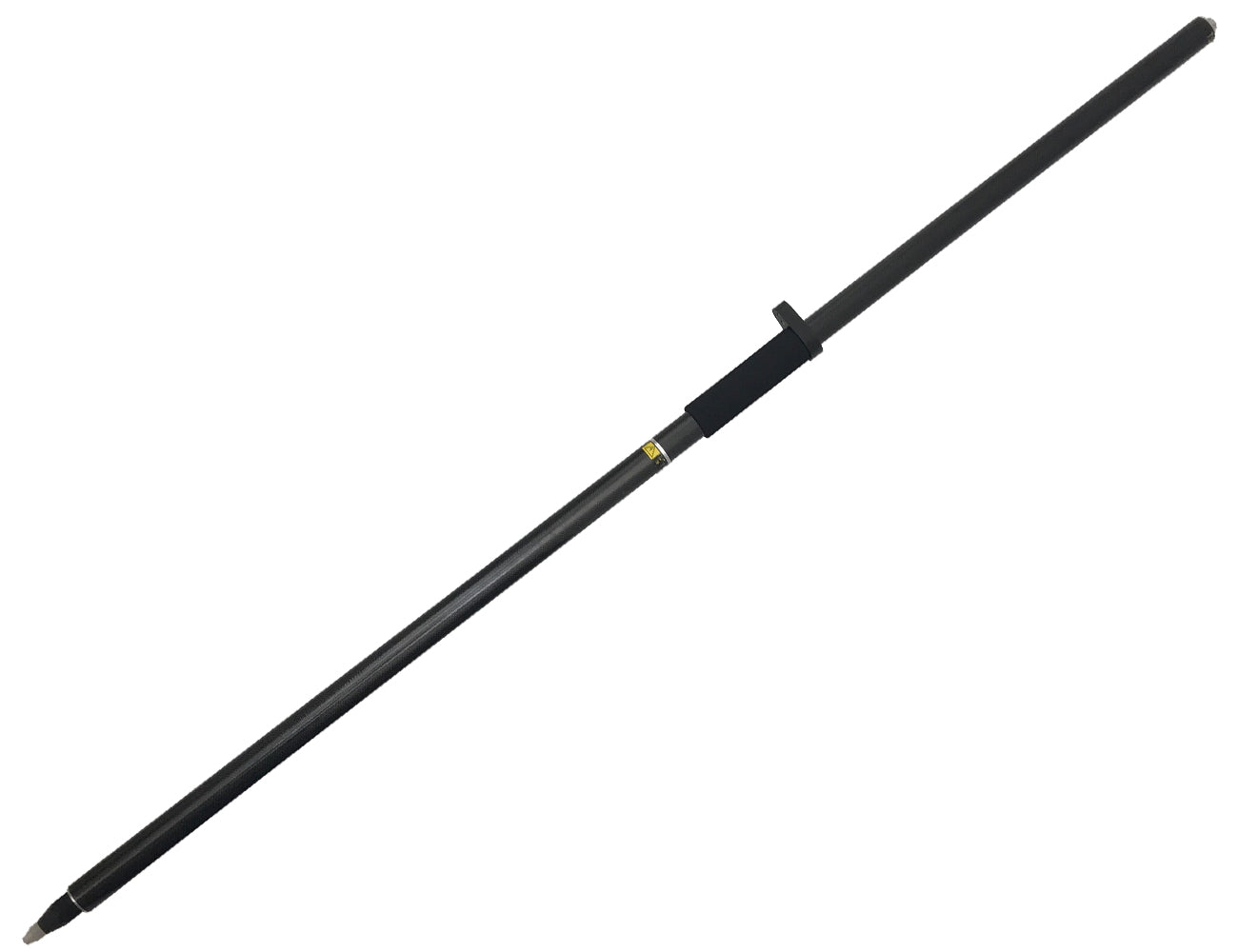
In modern land surveying, construction layout, and geospatial data collection, precision is everything. Yet one of the most overlooked pieces of equipment is the GPS pole itself. The Aluminum GPS Pole serves as the physical link between your GNSS antenna and the ground point being measured—and its quality directly impacts every measurement you take. This guide walks you through everything you need to know to select the best Aluminum GPS Pole for your daily fieldwork.
Why Choose an Aluminum GPS Pole?
Surveying poles are made from three primary materials: carbon fiber, fiberglass, and aluminum. An Aluminum GPS Pole offers the best balance of strength, rigidity, and affordability. While carbon fiber is lighter, it costs significantly more and can be fragile under impact. Fiberglass is durable but heavier and less rigid. Aluminum strikes the sweet spot—corrosion‑resistant, sturdy enough for rugged job sites, and budget‑friendly without sacrificing accuracy. For most surveyors, the Aluminum GPS Pole is the reliable workhorse that performs day in and day out.
Key Factors to Evaluate Before Buying
When comparing Aluminum GPS Pole models, pay close attention to these critical aspects:
Weight and Portability
A typical 2‑meter aluminum pole weighs about 1.0–1.35 kg. Heavier poles cause fatigue over long sessions, but modern alloys have reduced the weight penalty. Choose a weight you can comfortably handle all day.
Height Range and Adjustability
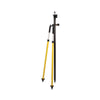
Most telescopic Aluminum GPS Pole models extend from 1.4 m to 2.5 m with preset locking positions (e.g., 1.6 m, 1.8 m, 2.0 m). Ensure the range matches your typical measurement needs.
Locking Mechanism Reliability
The clamp is the heart of the pole. Eccentric (cam‑style) locks are more reliable than twist‑locks, especially in cold or dusty conditions. They maintain consistent clamping force over time. Avoid cheap friction‑only locks if you work in harsh environments.
Thread Compatibility
Nearly all professional Aluminum GPS Pole models use the 5/8″‑11 TPI thread. Verify this matches your GNSS receiver, prism, or adapter. Some poles offer interchangeable tips for added versatility.
Built‑in Leveling Bubble
A circular bubble level is essential to keep the pole perfectly vertical. Check that it is accurate and easy to read in bright sunlight.
Tip Durability
Look for a replaceable steel point with a rubber protective cover. This extends the life of your Aluminum GPS Pole and allows quick tip changes when worn.

Aluminum vs. Carbon Fiber – Which Is Right for You?
Here is a quick comparison to help you decide:
Weight: Aluminum is 30‑40% heavier than carbon fiber (carbon ~0.9 kg for 2 m).
Cost: Aluminum is significantly more affordable.
Durability: Aluminum can dent but resists long‑term wear; carbon fiber is sensitive to point impacts and may crack.
Rigidity: Both are rigid, but carbon fiber offers slightly less flex under load.
Best Use: Choose an Aluminum GPS Pole for daily total station work, construction layout, and budget‑conscious crews. Choose carbon fiber if you prioritise minimal weight for high‑precision RTK and have the budget.
Core Advantages of the Aluminum GPS Pole
Balanced performance – strength, rigidity, and weight in one package.
Corrosion‑resistant – stands up to moisture and harsh weather.
Cost‑effective – delivers professional quality without breaking the bank.
Durable – built to withstand daily fieldwork and rough handling.
Widely compatible – standard 5/8″ thread fits most GNSS gear.
Easy to maintain – simple cleaning and occasional lock adjustments keep it running.
Buying Tips – What to Check Before You Purchase
Before you click “buy” on any Aluminum GPS Pole, run through this checklist:
Confirm the thread is 5/8″‑11 TPI (or verify your adapter).
Test the locking mechanism – prefer eccentric clamps over twist‑locks for longevity.
Lift the pole – make sure the weight feels right for your typical shift length.
Inspect the bubble level – it should be centred and responsive.
Check the collapsed length – if you travel often, a shorter collapsed size is easier to pack.
Ask about tip replacement – a durable steel tip with rubber cover saves money over time.
Look for precision machining – smooth telescoping sections and tight tolerances indicate quality.

Aluminum GPS Pole Frequently Asked Questions (FAQ)
Q1: What is an Aluminum GPS Pole used for?
It mounts GNSS receivers, prisms, or other survey instruments, providing stable support for topographic surveys, construction staking, and positioning.
Q2: What is the standard height of an Aluminum GPS Pole?
Most models extend from 1.4 m to 2.0 m or 2.5 m, with intermediate locking positions at common heights like 1.6 m and 1.8 m.
Q3: How do I maintain my Aluminum GPS Pole?
Keep it clean, especially the locking sections. Avoid extreme weather when possible, and periodically check clamp tightness and bubble level calibration. Replace the tip when worn.
Q4: Is an Aluminum GPS Pole better than carbon fiber?
It depends. Aluminum offers better value and durability for most daily tasks; carbon fiber is lighter and more rigid but costs more. Choose aluminum if you want a reliable, affordable pole that gets the job done.
Q5: What thread size do most Aluminum GPS Poles use?
The industry standard is 5/8″‑11 TPI, ensuring broad compatibility with GNSS receivers and accessories.

Conclusion
Selecting the right Aluminum GPS Pole is a decision that affects your measurement accuracy, workflow efficiency, and long‑term costs. By prioritising a robust locking mechanism, the standard 5/8″ thread, an accurate bubble level, and a height range that fits your projects, you will invest in a tool that serves you reliably for years. The Aluminum GPS Pole delivers the ideal blend of strength, affordability, and durability—making it the smart choice for surveyors who need dependable performance without overspending. We hope this guide has clarified your options and empowered you to make a confident purchase.
Why Choose Mountlaser for Your Aluminum GPS Pole?
At Mountlaser, we know that surveyors need equipment they can trust in the field. That is why we offer a curated selection of high‑quality Aluminum GPS Pole models—featuring durable aluminium alloy, reliable eccentric locks, standard 5/8″ threads, and accurate bubble levels. Whether you need a telescopic pole for versatile fieldwork or a fixed‑height design for repeatable setups, Mountlaser has the solution. Our team is dedicated to helping you find the perfect pole for your specific workflow and budget.