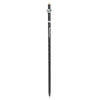
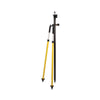
Redefining lightweight: How does this aerospace-grade Carbon Fiber GPS Pole achieve maximum strength?
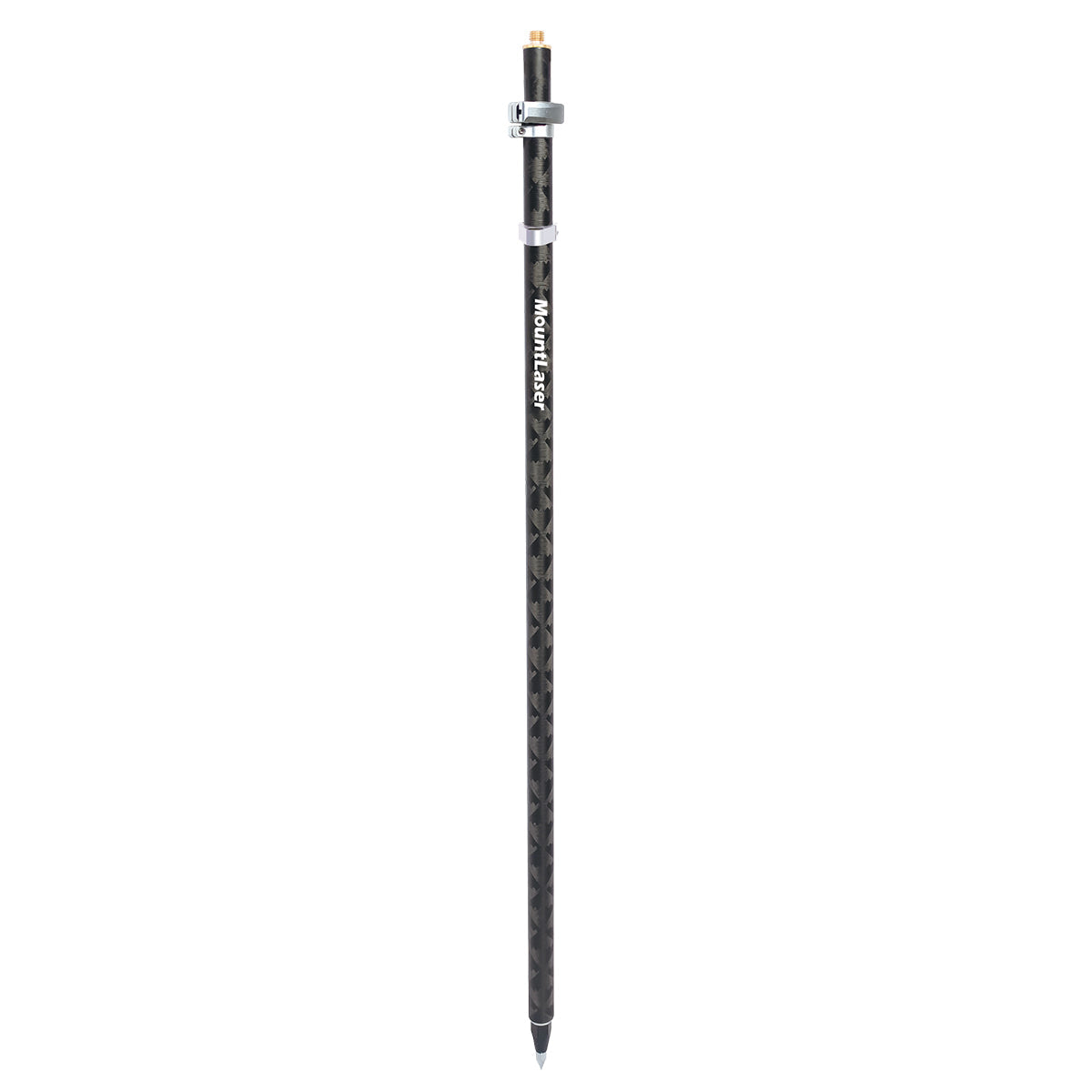
In the world of precision surveying and engineering measurement, every gram matters, but never at the expense of accuracy. For professionals who spend countless hours in the field carrying equipment across rugged terrain, the weight of a Carbon Fiber GPS Pole can mean the difference between a productive day and sheer exhaustion. Traditional aluminum poles, while durable, add significant fatigue to long surveying sessions. Enter aerospace-grade carbon fiber—a material that has revolutionized how we think about portable measurement equipment.
Understanding Carbon Fiber's Superior Strength-to-Weight Ratio
Carbon fiber composites have long been the material of choice in aerospace applications, where every ounce saved translates directly to fuel efficiency and performance. When applied to a GPS Surveying Pole, this same engineering philosophy delivers tangible benefits for field professionals.
The secret lies in the material's molecular structure. Carbon fiber consists of thin, strong crystalline filaments of carbon that are twisted together and bonded with epoxy resin. This construction creates a material that is:
Approximately 30-40% lighter than aluminum while maintaining comparable or superior strength
Exceptionally rigid with minimal flex, ensuring antenna alignment remains true even under load
Dimensionally stable across temperature variations, with a low coefficient of thermal expansion that prevents measurement drift in extreme conditions

How Maximum Strength Is Achieved Without Added Weight?
High-Modulus Carbon Fiber Layup
The term "aerospace-grade" isn't marketing hyperbole—it refers to specific manufacturing processes that optimize fiber orientation. In premium GPS Surveying Pole construction, carbon fiber sheets are layered at precise angles to withstand both compressive and torsional forces encountered during field use. This engineered layup creates a pole that resists bending while remaining remarkably lightweight.
Precision Joint Engineering
One common concern with carbon fiber poles has been the durability of connection points. Advanced manufacturing now addresses this through:
Reinforced joint sections with additional material where stress is highest
Precision-machined locking mechanisms that distribute force evenly across the connection
Metal reinforcement inserts at critical wear points like data collector brackets
As one experienced surveyor noted, "Carbon fiber rods and bipods have been around for awhile. They are rugged enough, although they can be crushed if you really try. They will stand up to normal use but not outright abuse". This honest assessment underscores that while carbon fiber isn't indestructible, it offers exceptional durability for professional applications when properly engineered.

Real-World Performance Advantages
Reduced Fatigue During Extended Operations
The most immediate benefit surveyors report when switching to carbon fiber is reduced physical strain. A typical 2-meter Carbon Fiber GPS Pole weighs approximately 0.9kg, compared to aluminum alternatives that can be 30-40% heavier. When you're carrying this equipment for eight hours across varying terrain, that weight savings accumulates significantly.
"This significantly reduces fatigue during prolonged handheld operation, improving all-day work efficiency," confirms product literature from professional surveying suppliers . Field professionals echo this sentiment, with one noting that "the weight savings add up when your lugging around a bunch of gear all day" .
Superior Signal Performance
Beyond weight, carbon fiber offers practical advantages for GNSS signal reception. Unlike conductive materials, carbon fiber does not interfere with radio frequency signals, allowing for cleaner data collection. Additionally, the material's natural vibration-damping properties mean less signal disruption from handling or wind .
All-Weather Reliability
Professional surveyors work in all conditions, and equipment must perform regardless of environment. Carbon fiber excels here with:
Complete corrosion resistance—no rust, even in coastal or high-humidity environments
Thermal stability that maintains length accuracy from -40°C to +70°C
Non-conductive safety when working near electrical hazards
Core Advantages of Our Carbon Fiber GPS Pole
After examining the engineering principles, here are the tangible benefits our specific Carbon Fiber GPS Pole delivers to surveying professionals:
Advantage Benefit to You
Ultra-Lightweight Construction
Reduce daily fatigue with poles weighing as little as 0.9kg for the 2-meter configuration
Aerospace-Grade Materials
Exceptional rigidity ensures sub-centimeter accuracy with minimal flex under load
Modular Design
4-section collapsible design collapses to just 45-50cm for easy transport and storage
Universal Compatibility
Standard 5/8-inch threading works seamlessly with Trimble, Leica, Topcon, and all major GNSS receivers
Weather-Resistant Construction
Performs reliably in rain, dust, and extreme temperatures from -40°C to +70°C
Integrated Bubble Level
Ensures precise vertical alignment for accurate measurements every time
Vibration Damping
Natural material properties absorb handling-induced vibration for stable readings
Why Choose Our Company for Your GPS Surveying Pole Needs?
The market offers many options for carbon fiber poles, but here's why discerning professionals select our products:

Engineered for Professional Demands
We don't cut corners on materials or manufacturing. Our GPS Surveying Pole uses the same high-modulus carbon fiber specified in aerospace applications, not the lower-grade materials found in budget alternatives. This commitment to quality means our poles maintain their structural integrity and measurement accuracy year after year.
Tested by Professionals, Approved by Experts
"We've had this setup for a few years. Works great," reports one experienced surveyor about carbon fiber equipment . Our poles incorporate feedback from working professionals to address real-world challenges—from reinforced mounting points to secure locking mechanisms that don't slip during critical measurements.
Comprehensive Compatibility
Whether your fleet uses Trimble, Leica, Topcon, or other major RTK/GPS systems, our universal mounting solution eliminates the need for multiple poles across different equipment brands. This streamlines your inventory and simplifies field operations.
Summary
The evolution from aluminum to aerospace-grade carbon fiber represents a significant leap forward for surveying equipment. A well-engineered Carbon Fiber GPS Pole delivers the perfect balance of minimal weight and maximum strength, enabling professionals to work longer with less fatigue while maintaining the sub-centimeter accuracy their projects demand. The key advantages—exceptional strength-to-weight ratio, thermal stability, corrosion resistance, and vibration damping—directly translate to better field performance and more productive workdays.
Our GPS Surveying Pole embodies these engineering principles, offering modular portability, universal compatibility, and professional-grade durability that stands up to daily field use. For surveyors, engineers, and GIS professionals who demand the best tools for their trade, carbon fiber isn't just an upgrade—it's a fundamental improvement in how you work.
Your equipment should work as hard as you do, without wearing you down in the process. Whether you're upgrading your personal gear or outfitting an entire field crew, Mountlaser aerospace-grade Carbon Fiber GPS Pole delivers the strength, precision, and lightweight performance that modern surveying demands.