5 Common Survey Equipment Maintenance Mistakes to Avoid

The Hidden Costs of Neglecting Survey Equipment Maintenance
Survey equipment maintenance mistakes can transform precision instruments into expensive paperweights. Professional surveyors, engineers, and 3D scanning specialists invest substantial capital in theodolites, total stations, GNSS receivers, and laser scanners, yet many overlook the critical maintenance protocols that preserve instrument longevity and measurement accuracy.
Field conditions expose surveying instruments to harsh environmental factors including dust infiltration, moisture penetration, thermal fluctuations, and mechanical shock. Without proper maintenance regimens, these factors accelerate component degradation and compromise measurement integrity. The cumulative effect of maintenance negligence extends beyond immediate repair costs, encompassing project delays, data quality degradation, and potential safety hazards in construction environments.
Understanding common survey equipment maintenance mistakes empowers professionals to implement preventive strategies that maximize instrument performance and operational lifespan. This comprehensive analysis examines five critical maintenance oversights that plague the surveying industry, providing actionable insights for maintaining measurement precision and equipment reliability.
Mistake 1: Inadequate Environmental Protection and Storage
Temperature and Humidity Control Failures
Thermal cycling represents one of the most destructive forces affecting precision surveying instruments. Electronic components, optical elements, and mechanical assemblies expand and contract at different rates during temperature fluctuations, creating internal stresses that compromise calibration stability and component alignment.
Many surveyors store equipment in vehicles, trailers, or uncontrolled environments where temperature variations exceed manufacturer specifications. GNSS receivers, laser scanners, and total stations contain sophisticated electronic circuits that degrade when subjected to extreme temperatures. Condensation formation during rapid temperature changes introduces moisture into sensitive components, accelerating corrosion and electrical failures.
Optimal storage conditions maintain temperatures between 10°C and 30°C with relative humidity below 80%, preventing thermal stress and moisture-related component degradation.
Professional storage solutions include climate-controlled facilities with consistent temperature regulation and humidity management systems. Desiccant packets within instrument cases provide additional moisture protection during transport and temporary storage. Gradual acclimatization periods before equipment deployment allow instruments to stabilize thermally, preventing condensation formation on internal optical surfaces.
Dust and Particle Infiltration Prevention
Construction sites and outdoor surveying environments generate substantial particulate contamination. Fine dust particles infiltrate instrument housings through unsealed joints, ventilation ports, and optical assemblies, abrading moving components and degrading measurement accuracy.
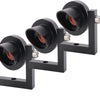
Laser leveling instruments suffer particularly severe dust-related damage as particles interfere with rotating mechanisms and optical beam paths. Prisms and reflectors accumulate surface contamination that reduces signal return strength and introduces measurement errors. Regular inspection and cleaning protocols prevent particle accumulation before permanent damage occurs.
Protective measures include sealed transport cases, equipment covers during inactive periods, and systematic cleaning procedures using appropriate solvents and lint-free materials. Compressed air systems remove loose particles from external surfaces, while specialized optical cleaning solutions address lens and prism contamination without damaging anti-reflective coatings.
Mistake 2: Neglecting Regular Calibration Schedules
Instrument Drift and Accuracy Degradation
Electronic surveying instruments experience gradual calibration drift due to component aging, environmental exposure, and mechanical wear. Total stations, levels, and distance meters rely on precisely calibrated internal references that shift over time, introducing systematic measurement errors that compromise survey accuracy.

Many professionals operate under the misconception that modern instruments maintain factory calibration indefinitely. This assumption proves costly when systematic errors accumulate undetected, potentially invalidating entire survey datasets. Legal and professional liability concerns arise when survey measurements fail to meet required accuracy standards due to calibration neglect.
Manufacturer-recommended calibration intervals typically range from six months to two years depending on instrument type and usage intensity. High-precision applications require more frequent calibration verification, particularly for instruments experiencing heavy field use or harsh environmental conditions.
Documentation and Traceability Requirements
Professional surveying standards mandate comprehensive calibration documentation for quality assurance and legal compliance. Calibration certificates provide traceability to national measurement standards, demonstrating instrument accuracy and reliability for critical applications.
Effective calibration management systems track instrument service histories, schedule upcoming calibrations, and maintain certificate archives for audit purposes. Digital calibration records facilitate rapid instrument status verification and support quality management system requirements in surveying organizations.
| Instrument Type | Calibration Interval | Critical Parameters |
| Total Stations | 12-18 months | Angular accuracy, distance measurement, compensator function |
| Auto Levels | 6-12 months | Compensator accuracy, crosshair alignment, magnification |
| Laser Levels | 12 months | Beam accuracy, rotation speed, self-leveling function |
| GNSS Receivers | 24 months | Antenna phase center, internal oscillator, position accuracy |
Mistake 3: Improper Cleaning and Handling Procedures
Optical Surface Contamination
Survey instruments incorporate sophisticated optical systems including lenses, prisms, and beam splitters that require specialized cleaning techniques. Improper cleaning procedures damage anti-reflective coatings, introduce surface scratches, and degrade optical performance permanently.
Common cleaning mistakes include using abrasive materials, inappropriate solvents, and excessive pressure during surface contact. Paper towels, standard cleaning cloths, and household cleaners contain particles and chemicals that damage delicate optical coatings. Professional-grade cleaning supplies including lint-free tissues, optical-safe solvents, and precision cleaning tools preserve surface integrity while removing contamination effectively.
Systematic cleaning protocols begin with loose particle removal using clean compressed air or soft brushes. Stubborn contamination requires careful solvent application using spiral wiping motions from center to edge, preventing contaminant redistribution across optical surfaces. Multiple cleaning passes with fresh materials ensure complete contamination removal without surface damage.
Mechanical Component Protection
Surveying instruments contain precision mechanical assemblies including leveling screws, focusing mechanisms, and compensator systems that require careful handling and periodic lubrication. Excessive force, improper adjustment techniques, and contamination introduce wear patterns that compromise instrument functionality and accuracy.
Field maintenance procedures emphasize gentle manipulation of adjustment controls and protective measures during transport. Instrument cases provide cushioning and constraint systems that prevent mechanical shock and vibration damage during vehicle transport. Regular inspection of mechanical components identifies wear patterns and alignment issues before catastrophic failures occur.
Mistake 4: Ignoring Battery and Power System Maintenance
Battery Chemistry and Lifecycle Management
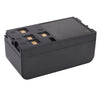
Modern surveying instruments rely extensively on rechargeable battery systems for field operation. Lithium-ion batteries dominate current designs due to high energy density and extended cycle life, but require specific maintenance protocols to achieve optimal performance and longevity.
Battery degradation occurs through various mechanisms including capacity fade, internal resistance increase, and thermal runaway susceptibility. Deep discharge cycles, elevated storage temperatures, and prolonged charging periods accelerate degradation processes that reduce operational runtime and reliability.
Professional battery management includes:
Partial discharge storage at 40-60% capacity for extended periods
Temperature-controlled charging environments below 25°C
Regular capacity testing using calibrated discharge equipment
Replacement scheduling based on capacity measurements rather than age alone
Charging System Optimization
Charging infrastructure significantly impacts battery longevity and field reliability. Many organizations implement inadequate charging protocols that reduce battery lifespan and increase replacement costs. Smart charging systems monitor battery condition, optimize charge rates, and prevent overcharging damage through sophisticated control algorithms.
Field charging considerations include ambient temperature effects, power source stability, and charging time requirements. Solar charging systems provide sustainable power solutions for remote locations, while vehicle-based charging requires voltage regulation to prevent electrical system damage.
Mistake 5: Inadequate Firmware and Software Updates
Performance Optimization and Bug Fixes
Contemporary surveying instruments incorporate sophisticated embedded software systems that control measurement algorithms, user interfaces, and communication protocols. Manufacturer firmware updates address performance issues, enhance functionality, and resolve compatibility problems that affect field operations.
Software maintenance negligence results in reduced instrument performance, compatibility issues with data collection systems, and security vulnerabilities that compromise data integrity. Regular update procedures ensure instruments operate with current software versions that incorporate latest improvements and corrections.
Update management protocols include:
Systematic monitoring of manufacturer update releases
Testing procedures for validating update compatibility
Backup procedures for reverting problematic updates
Documentation systems tracking software version histories
Security and Data Protection Considerations
Network-connected surveying instruments face increasing cybersecurity threats that compromise data confidentiality and system integrity. Firmware updates include security patches that address discovered vulnerabilities and strengthen protection against malicious attacks.
Professional security practices encompass network isolation, access control implementation, and regular security assessment procedures. Data encryption protocols protect survey information during transmission and storage, while secure communication channels prevent unauthorized instrument access.
Frequently Asked Questions About Survey Equipment Maintenance
How frequently should precision surveying instruments undergo professional service?
Service intervals depend on usage intensity, environmental conditions, and manufacturer recommendations. High-precision applications typically require annual service, while moderate-use instruments may extend service intervals to 18-24 months. Harsh environmental conditions necessitate more frequent service to address accelerated wear and contamination issues.
What environmental factors pose the greatest threats to instrument longevity?
Temperature fluctuations, moisture exposure, and particulate contamination represent primary environmental threats. Coastal environments introduce salt corrosion concerns, while dusty construction sites accelerate mechanical wear. UV radiation degrades plastic components and display systems over extended exposure periods.
Can internal instrument repairs be performed by field personnel?
Internal repairs require specialized training, precision tools, and controlled environments typically unavailable in field conditions. Unauthorized repairs void manufacturer warranties and may introduce additional problems. Professional service centers possess calibrated equipment and trained technicians necessary for complex repair procedures.
Implementing comprehensive maintenance strategies protects surveying equipment investments while ensuring measurement accuracy and operational reliability. Professional organizations that prioritize systematic maintenance protocols achieve superior project outcomes, reduced downtime, and extended equipment lifecycles that optimize return on investment in precision instrumentation.
-
Posted in
equipment maintenance, land surveying, survey equipment