Why Aluminum GPS Poles Are Essential for High-Precision Positioning?
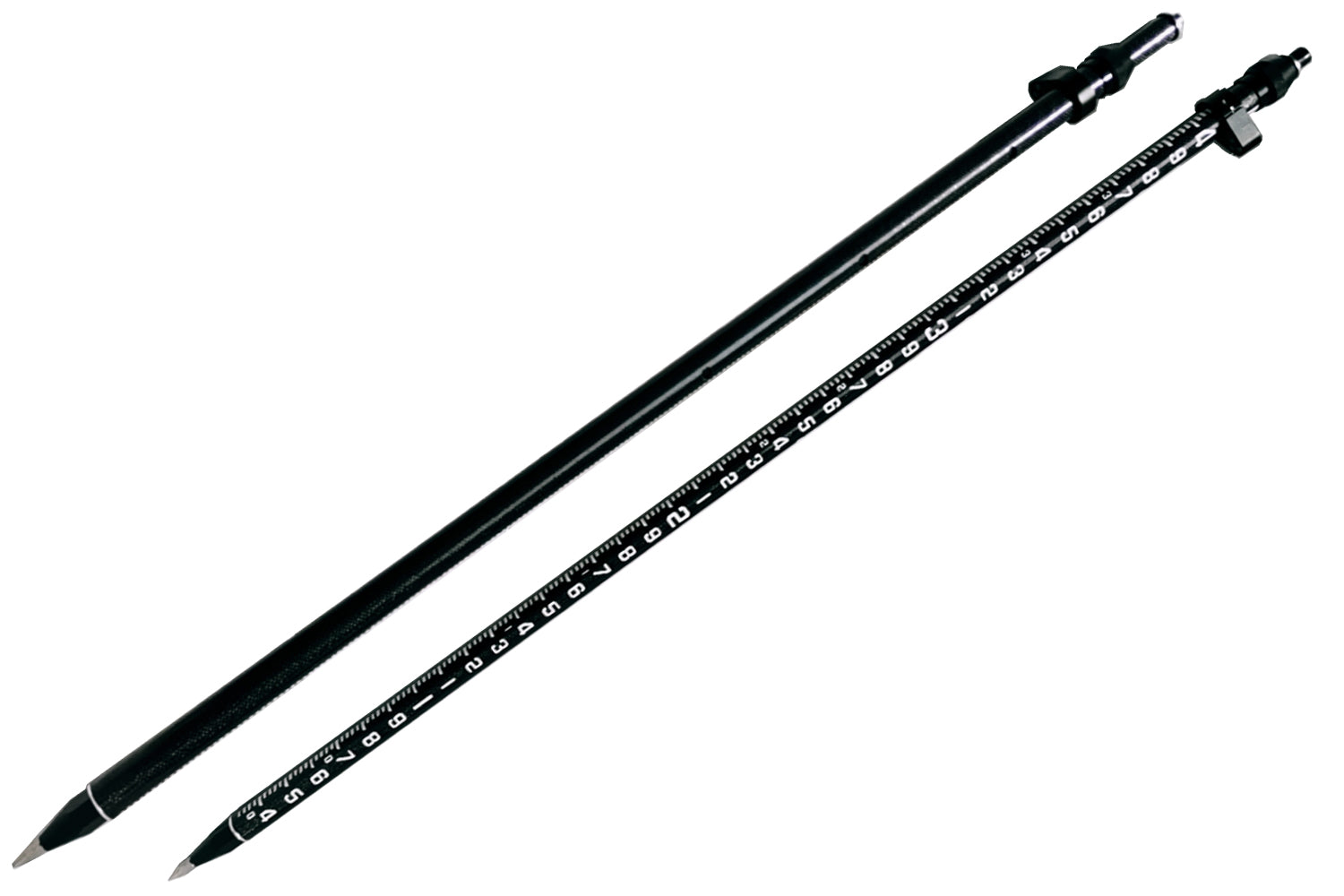
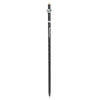
In modern land surveying, construction layout, and geospatial data collection, precision is everything. Yet one of the most overlooked pieces of equipment is the GPS pole itself. The Aluminum GPS Pole serves as the physical link between your GNSS antenna and the ground point being measured—and its quality directly impacts every measurement you take.
What Makes an Aluminum GPS Pole the Ideal Choice?
The Perfect Balance of Strength, Weight, and Affordability
Surveying poles are made from three primary materials: carbon fiber, fiberglass, and aluminum. An Aluminum GPS Pole offers the best balance of strength, rigidity, and affordability. While carbon fiber is lighter, it costs significantly more and can be fragile under impact. Carbon fiber poles can crack easily and many surveyors report that they simply don't last under daily field conditions. Fiberglass is durable but heavier and less rigid.
Aluminum strikes the sweet spot—corrosion‑resistant, sturdy enough for rugged job sites, and budget‑friendly without sacrificing accuracy. For most surveyors, the Aluminum GPS Pole is the reliable workhorse that performs day in and day out.
Exceptional Durability for Demanding Field Conditions
Constructed from high-quality aluminum alloy, an Aluminum GPS Pole delivers excellent durability while remaining lightweight for easy transportation and daily operation. The high-strength aluminum tubing ensures longevity even in harsh field environments. Unlike carbon fiber, which can suffer from joint adhesive failures and carbon splinters, aluminum poles can be straightened or have sections replaced when damaged.
Precision Leveling for Accurate Measurements
Every professional-grade Aluminum GPS Pole features an integrated circular vial for precise vertical alignment. Models like those from Mountlaser come with a 30′ circular vial mounted on a robust aluminum bubble base, providing precise leveling for GNSS receivers and rover setups. This built-in leveling bubble is essential to keep the pole perfectly vertical—without it, your measurements simply won't be accurate.
Universal Compatibility with Standard Threading
Nearly all professional Aluminum GPS Pole models use the standard 5/8″-11 TPI thread. This ensures universal compatibility with most GNSS receivers, prisms, and survey instruments. Whether you're using RTK GPS, GNSS antennas, or total station equipment, an Aluminum GPS Pole with 5/8″-11 threading integrates seamlessly into your existing workflow.

Core Advantages of the Aluminum GPS Pole
Key Applications of Aluminum GPS Poles
Topographic Surveys and GIS Data Collection
An Aluminum GPS Pole is ideal for topographic surveys, construction staking, and GIS data collection. The snap-lock or compression locking systems enable fast height adjustment and secure locking, making these poles perfect for high-precision measurement tasks.
RTK GPS and GNSS Rover Setups
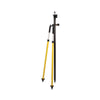
For RTK GPS and GNSS rover applications, an Aluminum GPS Pole provides a stable, reliable platform for your GNSS receiver. The telescopic design allows fast height adjustment, making the rod suitable for GNSS surveys, total station measurements, construction layout, and mapping tasks.
Total Station and Prism Work
Aluminum GPS Poles remain a dependable option for robotic total station work and general layout applications. With high-visibility measurement scales, these poles ensure quick and accurate height readings, helping surveyors maintain consistency and efficiency in the field.
How to Choose the Best Aluminum GPS Pole?
Weight and Portability
A typical 2‑meter Aluminum GPS Pole weighs about 1.0–1.35 kg. Choose a weight you can comfortably handle all day. Modern aluminum alloys have significantly reduced the weight penalty while maintaining structural integrity.
Height Range and Adjustability
Most telescopic Aluminum GPS Pole models extend from 1.4 m to 2.5 m with preset locking positions (e.g., 1.6 m, 1.8 m, 2.0 m). Ensure the range matches your typical measurement needs.
Locking Mechanism Reliability
The locking mechanism is the heart of the pole. Eccentric (cam‑style) locks and compression snap-lock systems are more reliable than twist‑locks, especially in cold or dusty conditions. They maintain consistent clamping force over time and prevent slippage during measurements.
Built‑in Leveling Bubble
A circular bubble level is essential to keep the pole perfectly vertical. Check that it is accurate and easy to read in bright sunlight.

Tip Durability
Look for a replaceable steel point with a rubber protective cover. This extends the life of your Aluminum GPS Pole and allows quick tip changes when worn.
Aluminum vs. Carbon Fiber – Which Is Right for You?
Summary
The Aluminum GPS Pole is an indispensable tool for any surveying or engineering professional who demands accuracy, reliability, and value. Offering the perfect balance of strength, rigidity, and affordability, these poles deliver professional-grade performance without the premium price tag of carbon fiber alternatives. With corrosion‑resistant construction, universal 5/8″-11 thread compatibility, precision leveling bubbles, and durable locking mechanisms, an Aluminum GPS Pole is built to withstand the rigors of daily fieldwork while ensuring every measurement is accurate. Whether you're conducting topographic surveys, construction staking, GIS data collection, or RTK rover setups, the Aluminum GPS Pole is the reliable workhorse that professionals trust.
Contact Mountlaser Today
Ready to equip your team with the highest quality Aluminum GPS Poles? Mountlaser is a trusted manufacturer of precision surveying equipment, with a proven track record of quality and customer satisfaction. Our Aluminum GPS Poles feature compression and snap-lock systems for fast setup, 30′ circular vials for precise leveling, and 5/8″-11 threads for universal compatibility. Available in multiple lengths and configurations, our poles are designed to meet the diverse needs of professional surveyors and engineers.
Buying Guide – What to Look for When Purchasing Aluminum GPS Poles
When purchasing an Aluminum GPS Pole, keep these essential factors in mind:
Thread Compatibility – Confirm the pole uses the standard 5/8″-11 TPI thread to ensure compatibility with your GNSS receiver, prism, or adapter.
Locking Mechanism – Prefer eccentric clamps or compression snap-lock systems over twist‑locks for longevity and reliability, especially in harsh environments.
Weight and Balance – Lift the pole to make sure the weight feels right for your typical shift length. A typical 2-meter aluminum pole weighs 1.0–1.35 kg.
Collapsed Length – If you travel often, check the collapsed length for easy storage and transport.
Leveling Bubble – Ensure the circular vial is accurate and easy to read. Most professional poles feature a 30′ circular vial.
Tip Durability – Look for a replaceable steel point with a rubber protective cover.
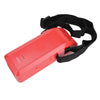
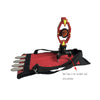
Carrying Case – Choose a pole that includes a soft carrying case for safe transport and long-term durability.
For the best quality and value, purchase your Aluminum GPS Poles directly from Mountlaser—a manufacturer trusted by professionals worldwide.

Aluminum GPS Pole FAQ
Q1: What is the standard thread size for an Aluminum GPS Pole?
A: Nearly all professional Aluminum GPS Poles use the standard 5/8″-11 TPI thread, ensuring universal compatibility with most GNSS receivers, prisms, and survey instruments.
Q2: How much does a typical Aluminum GPS Pole weigh?
A: A typical 2‑meter Aluminum GPS Pole weighs about 1.0–1.35 kg. Mountlaser's aluminum poles are designed to be lightweight yet durable for daily fieldwork.
Q3: How do I keep my Aluminum GPS Pole perfectly plumb?
A: Most surveyors rely on the built-in bubble vial. Calibrate the bubble regularly by rotating the pole 90° increments against a known plumb reference. For critical work, consider using a bipod for stability during stakeout.
Q4: Is aluminum better than carbon fiber for GPS poles?
A: It depends on your needs. Aluminum GPS Poles offer better impact resistance, lower cost, and easier repairability. Carbon fiber is lighter but more expensive and can crack on impact. For most daily surveying work, aluminum is the more practical and cost-effective choice.
Q5: What applications are Aluminum GPS Poles best suited for?
A: Aluminum GPS Poles are ideal for topographic surveys, construction staking, GIS data collection, total station work, and general layout applications.
Q6: How do I prevent wear and damage to my Aluminum GPS Pole?
A: Store poles securely in cases or truck boxes to prevent transport damage. Use protective tips and anti-skid covers; inspect threads regularly. Choose telescopic designs with meter scales for easy field adjustments.